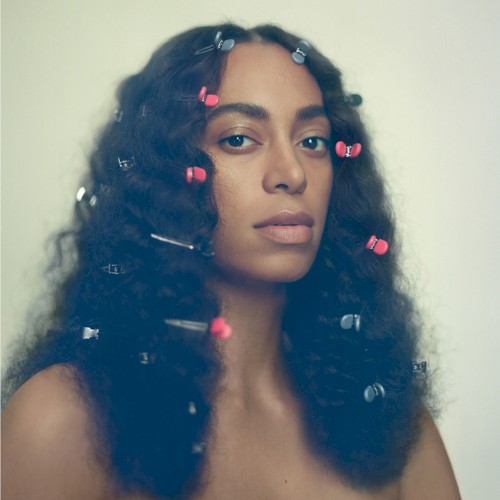

A Seat at the Table is protest music disguised as a spa day. Where many albums addressing racial injustice operate at high volume and maximum intensity, Solange Knowles takes the opposite approach - her third album is quiet, deliberate, and suffused with a warmth that makes its political content land with the force of intimacy rather than confrontation. The production, primarily by Raphael Saadiq, is sparse and elegant, built on gentle synth pads, subdued bass lines, and drum patterns that pulse rather than pound.
The sonic palette draws from a broad range of Black musical traditions without ever feeling like pastiche. "Cranes in the Sky" layers Solange's multitracked vocals over a shimmering synth arrangement that recalls Minnie Riperton filtered through contemporary electronic production. "Don't Touch My Hair" pairs a vintage Motown groove with lyrics that transform a simple request into a powerful statement about bodily autonomy and cultural identity. The bass tone on this track - warm, round, and slightly distorted - anchors the song with a physical weight that balances the ethereal quality of the vocals.
The interludes and spoken-word segments, featuring contributions from Solange's parents and from Master P, add a documentary dimension that grounds the album's themes in lived experience. These are not conceptual abstractions - they are real stories, told in real voices, about the daily reality of navigating a world that was not designed for you. Their placement between songs creates a rhythm of reflection and response that gives the album a structural coherence often lacking in records of this length.
Solange's vocal approach is restrained and precise. She rarely raises her voice above a conversational level, and the intimacy this creates is remarkable. On "Where Do We Go," her voice hovers just above a whisper, each phrase delivered with a care that suggests the words themselves are too important to be shouted. The harmonies she builds - often stacked in close intervals that create a warm, enveloping quality - are a reminder that vocal arrangements can be as sophisticated as any instrumental composition.
A Seat at the Table proved that radical art does not have to sound radical. Sometimes the most powerful statement you can make is a quiet one.