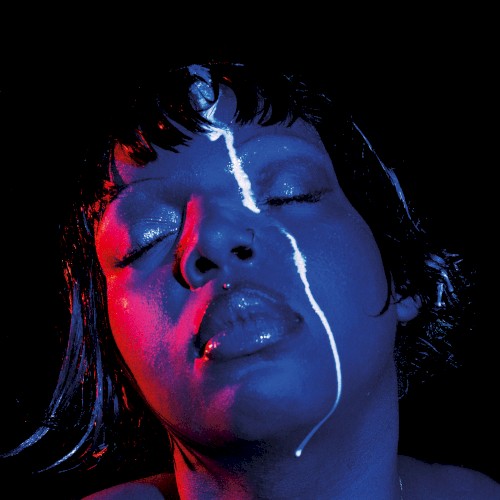

The title references Robert Hooke's law of elasticity - the principle that stress and strain exist in direct proportion until the breaking point is reached. It is a precise metaphor for what KeiyaA has built on her sophomore album. Hooke's law is a record under constant tension, stretched between club euphoria and deep mourning, between electronic precision and jazz-inflected chaos, between the body's need to move and the mind's need to grieve. That it holds together at all is remarkable. That it holds together this beautifully is something close to a miracle.
The XL Recordings co-sign is significant. The label that championed Adele, Radiohead, and The xx has a history of identifying artists who operate at the intersection of the experimental and the accessible, and KeiyaA fits that lineage perfectly. Her production on hooke's law is dense - almost oppressively so on first listen, with layers of synthesisers, sampled vocals, processed drums, and live instrumentation competing for space in a mix that rewards headphone listening. There are moments where the sonic density becomes a kind of emotional analogue - the sheer weight of the production mirroring the heaviness of the grief being processed.
The club influences are unmistakable but never straightforward. Several tracks incorporate garage rhythms, two-step patterns, and broken-beat percussion that gesture toward the dance floor without ever fully committing to it. The effect is disorienting in the best possible way - your body wants to move but the harmonic content keeps pulling you back into contemplation. A kick drum pattern that could soundtrack a South London warehouse rave is overlaid with a vocal melody so fragile and exposed that dancing to it feels almost inappropriate.
The jazz and hip-hop elements surface in unexpected places. A saxophone phrase will materialise in the middle of an electronic arrangement, playing against the beat with a freedom that suggests live improvisation captured in a single take. Vocal cadences shift between singing and something closer to spoken-word, the rhythms of speech creating counterpoints to the metronomic precision of the programmed drums beneath. The hip-hop influence is felt more in the rhythmic density of the vocal delivery than in any overt stylistic signposting.
What makes hooke's law extraordinary is the emotional coherence that underlies its sonic volatility. Every production choice, every genre pivot, every moment of beauty and every moment of harshness serves the album's central subject: the experience of loss and the impossible task of continuing to live inside a body that wants to both celebrate and mourn simultaneously. The feverishness is the point. Grief is not orderly. Grief does not respect genre boundaries. KeiyaA has made an album that sounds exactly like that truth feels.