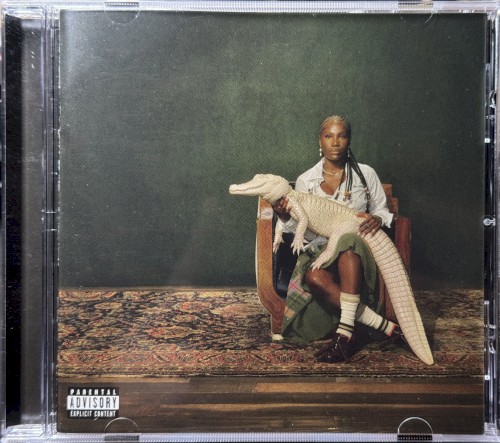

Nineteen tracks is a lot. In the streaming era, where bloated tracklists are often a transparent play for algorithmic favour, the decision to release an album this long is either an act of supreme confidence or commercial calculation. With Alligator Bites Never Heal, Doechii makes a convincing case for the former. The Tampa rapper's breakout album does not contain nineteen tracks because the label wanted more streams. It contains nineteen tracks because Doechii has nineteen different things to say and nineteen different ways to say them.
The stylistic range on display is staggering. "Boom Bap" does exactly what its title promises - a stripped-back, sample-driven beat that recalls the golden age of East Coast hip-hop, over which Doechii delivers bars with a technical precision that would make the '94 crowd nod in approval. Two tracks later, "Catfish" pivots into something closer to EDM, with synths that pulse and build toward a drop that hits with genuine physical force. That these two tracks exist on the same album and both feel authentic is a testament to an artist whose identity is not defined by a single sound but by the restless intelligence she brings to every sound she touches.
The Florida identity runs deep. "Nissan Altima" channels the swampy, bass-heavy production that has characterised Southern rap for decades, but filters it through a perspective that is distinctly Doechii - funny, self-aware, capable of switching between braggadocio and vulnerability mid-bar without missing a beat. There is a regionalism here that feels genuine rather than performative, a sense of place that grounds even the most experimental production choices in something real and specific.
The soul elements deserve particular attention. Several tracks incorporate live instrumentation - warm bass tones, vintage keyboard textures, vocal harmonies that owe as much to gospel as to contemporary R&B. "Denial Is A River" builds its chorus on a chord progression that could have come from a Motown session, but the verses are pure modern rap - clipped, rhythmically complex, loaded with internal rhymes that reward close listening. The production team has given Doechii a sonic palette broad enough to accommodate her ambitions, and she uses every colour available.
What makes the album cohesive despite its sprawl is Doechii herself. Her voice - adaptable, charismatic, capable of moving from a whisper to a shout within a single phrase - is the thread that connects boom bap to EDM to soul. The Grammy for Best Rap Album was not a surprise to anyone who had been paying attention, but it was a validation that mattered: confirmation that the mainstream was ready for an artist this uncompromising in her refusal to be one thing.
Alligator Bites Never Heal is the rare long album that earns its runtime. Every track justifies its presence, every stylistic pivot feels motivated rather than arbitrary, and the cumulative effect is a portrait of an artist who is only beginning to explore the edges of her considerable talent.