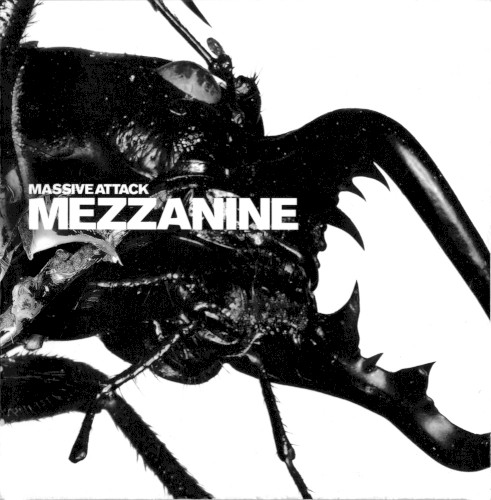

Mezzanine is Massive Attack's darkest and most intense record, an album that trades the warm, dubby grooves of Blue Lines and Protection for a sound that is claustrophobic, menacing, and overwhelmingly cinematic. Recorded during a period of internal conflict - 3D and Daddy G were barely speaking, and Mushroom would leave the group shortly after - the tension within the band seeps into every element of the production.
The sonic architecture is extraordinary. The bass on "Angel" - a sub-frequency throb that is more felt than heard on a decent system - is one of the most powerful low-end moments in recorded music. The sample of Horace Andy's voice, looped and layered over a bed of distorted guitar and processed drums, creates a sense of apocalyptic dread that builds over the track's seven-minute runtime without ever releasing. "Teardrop," featuring Elizabeth Fraser's ethereal vocals over a heartbeat-mimicking kick drum pattern, manages the remarkable feat of being simultaneously the album's most accessible track and its most emotionally complex.
The production draws from an unusually wide range of sources for an electronic record. The Cocteau Twins, Led Zeppelin, and The Cure are all audible influences, and the incorporation of live guitar - often heavily processed and distorted - gives the album a textural richness that pure electronic production would lack. "Inertia Creeps" pairs a stuttering, broken beat with a guitar riff so menacing it could soundtrack a horror film, the two elements creating a rhythmic tension that is almost physically uncomfortable.
The vocal collaborations are perfectly chosen. Horace Andy's quavering falsetto adds a spectral quality to "Man Next Door" and "Angel." Fraser's contribution to "Teardrop" is one of the great vocal performances of the decade - her wordless melismas floating above the beat like smoke, communicating emotion through pure sonic texture rather than lyrical content.
Mezzanine pushed trip-hop to its absolute limits and, in doing so, effectively ended the genre. Everything that followed was either a pale imitation or a deliberate retreat into safer territory. The album remains a benchmark for dark, atmospheric electronic music, and its influence extends far beyond the dance music world into film, television, and video game soundtracks.