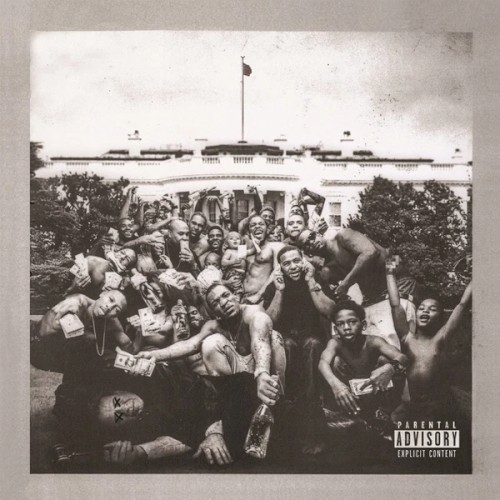

To Pimp a Butterfly is not an easy listen. It is not meant to be. Kendrick Lamar's third studio album is a dense, challenging, occasionally overwhelming work of art that demands your full attention and rewards it with an experience that no other record in the hip-hop canon can match. From the squalling free-jazz saxophone that opens "Wesley's Theory" to the devastating spoken-word poem that closes the album - a posthumous conversation with Tupac Shakur - this is music that operates on a level of ambition that most artists never even attempt.
The production is staggering in its scope. Assembled by a team that includes Thundercat, Flying Lotus, Terrace Martin, and Pharrell Williams, the beats draw from jazz, funk, soul, and spoken word in combinations that should not work but do. "King Kunta" builds its groove on a Parliament-Funkadelic bassline so rubbery and infectious that it could carry the track alone, but Kendrick layers over it a vocal performance that shifts between arrogance, vulnerability, and rage within a single verse. The production on "u" is genuinely harrowing - a lurching, dissonant beat that mirrors the self-destructive spiral described in the lyrics.
Kendrick's flow throughout is virtuosic. He shifts between half a dozen different vocal personas, each with its own cadence, pitch, and rhythmic relationship to the beat. On "For Free? (Interlude)," he delivers a rapid-fire, jazz-inflected spoken-word piece over a bebop piano trio that demonstrates a rhythmic control few rappers in history have possessed. "How Much a Dollar Cost" finds him in a more measured, narrative mode, telling a story about encountering a homeless man with a precision and emotional intelligence that rivals the best short fiction.
The album's structure is itself a work of art. Each track adds a new line to a poem that runs through the entire record, building toward a climax that recontextualises everything that came before. The musical journey mirrors this literary architecture - the album moves from the funk and celebration of its opening tracks through increasing darkness and self-doubt before arriving at a resolution that is hard-won and provisional rather than triumphant.
To Pimp a Butterfly is the rare album that justifies every superlative thrown at it. It is a masterpiece in the fullest sense - a work that expands the boundaries of its genre while addressing the most urgent questions of its time with intelligence, empathy, and extraordinary musical sophistication.