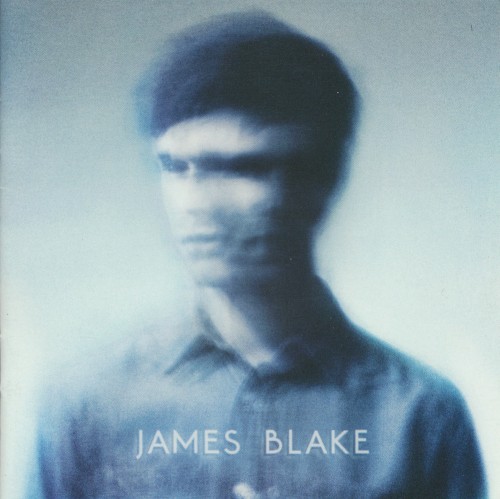

James Blake's self-titled debut is an album defined by absence. Huge swathes of sonic space are left empty, filled only with reverb tails and the echoes of sounds that have already decayed. Beats drop out for entire bars. Vocal lines trail off into silence. Bass frequencies emerge from nowhere, fill the room, and vanish. It is an approach to electronic music that prioritises negative space with a discipline that is almost ascetic, and the emotional effect is extraordinary.
The production is radical in its minimalism. "The Wilhelm Scream" builds its entire arrangement from Blake's processed voice, a single repeating piano chord, and a sub-bass pulse that lands like a slow heartbeat. The gaps between these elements are as carefully composed as the sounds themselves - each silence creates anticipation, each re-entry carries emotional weight. "I Never Learnt to Share" uses a vocal sample - Blake singing the title phrase - as both melody and percussion, chopping and looping it into a stuttering pattern that is simultaneously hypnotic and unsettling.
Blake's vocal processing owes something to both R&B and dubstep. He pitch-shifts his voice up and down, splits it into harmonies, and runs it through enough effects to render it almost alien, but the underlying emotional content always remains legible. On "Lindesfarne" parts one and two, his processed voice creates a ghostly choir that evokes the sacred music traditions of the British Isles filtered through the lens of London club culture.
The bass design is exceptional. Drawing from dubstep's emphasis on sub-frequencies, Blake creates bass tones that are felt as much as heard - on a proper system, "Limit to Your Love" produces a physical sensation in the chest that is genuinely startling. But unlike dubstep's often aggressive low end, Blake's bass is warm and enveloping, creating a sense of intimacy rather than impact.
The album's brevity - nine tracks in thirty-eight minutes - is a strength. Every track justifies its inclusion, and the sequencing creates a carefully modulated emotional arc that builds from the sparse, almost ambient opening to the album's most fully realised moments. James Blake is not an easy listen, but it is an essential one for anyone interested in the boundaries of electronic music.