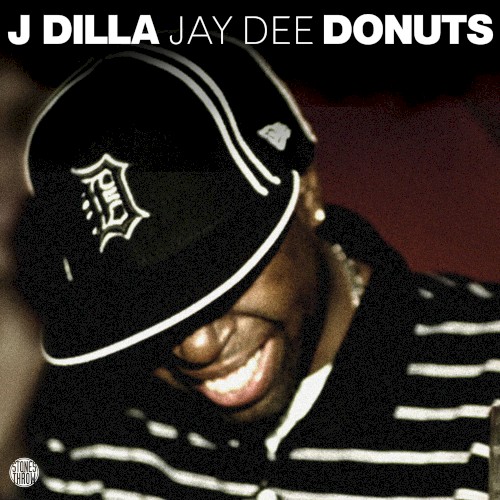

Donuts was released on February 7, 2006 - J Dilla's thirty-second birthday. He died three days later. These facts are inescapable, and they colour every second of the album's forty-three minutes. But to treat Donuts solely as a tragic document would be to diminish both the music and the man who made it. This is not a farewell. It is a celebration - a furious, joyous, endlessly inventive demonstration of what one person can do with a sampler, a stack of records, and an understanding of rhythm that borders on the supernatural.
The sample work is beyond anything Dilla had done before. Across thirty-one tracks - most lasting barely a minute - he chops, flips, pitches, and rearranges fragments of soul, funk, pop, and rock into new compositions that bear almost no resemblance to their sources. "Workinonit" loops a tiny slice of a Mantronix track into a stuttering, percussive groove that seems to fold in on itself with each repetition. "Don't Cry" pairs a pitched-up vocal sample with a bass-heavy beat that swings with the kind of loose, behind-the-beat feel that Dilla pioneered and that every hip-hop producer since has tried to replicate.
The sequencing is itself a compositional act. Tracks bleed into each other, samples recur in different contexts, themes are introduced and developed across multiple beats. The album is structured as a loop - the final track flows back into the first - creating a circular narrative that suggests infinity, endlessness, the refusal to end. Given the circumstances of its creation, this structural choice is almost unbearably poignant.
The drum patterns are Dilla's greatest legacy. His approach to swing - placing kick drums and snares slightly off the grid, creating a human imperfection that gives his beats a warmth and physicality that quantised programming can never achieve - changed the way producers around the world think about rhythm. On "Airworks," the beat lurches and stumbles with a drunken precision that is somehow both chaotic and perfectly controlled.
Donuts is a monument built from fragments. It is proof that art can be made under any circumstances, that creativity is an act of defiance against mortality, and that sometimes the most profound statements are the ones that need no words at all.