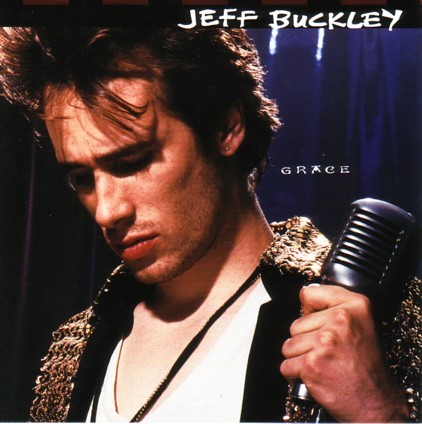

Grace is an album haunted by the future. Listening to it now, knowing that Jeff Buckley would drown in the Mississippi River three years after its release, it is impossible not to hear premonition in every note. But this tendency toward mythology does the album - and Buckley - a disservice. Grace is not a tragic document. It is a joyous, ambitious, and fiercely alive recording made by a young musician who believed he had decades of work ahead of him.
Buckley's voice is the most remarkable instrument on the album, and possibly the most remarkable vocal instrument in the history of rock music. His range extends from a deep, Leonard Cohen-influenced baritone to a soaring falsetto that seems to operate in frequencies most human voices cannot reach. On "Mojo Pin," he moves through his entire range within a single phrase, the transitions so fluid that they create the impression of a voice without limits. His interpretation of "Lilac Wine" - a song of aching romantic longing - uses dynamic control so precise that the quietest moments feel louder than the loudest.
The guitar work is equally extraordinary. Buckley's playing draws from Led Zeppelin, Nusrat Fateh Ali Khan, and the Cocteau Twins in equal measure, creating a style that is rhythmically complex, harmonically rich, and texturally varied. The opening riff of "Grace" - a cascading arpeggio played through heavy delay - immediately establishes a sonic world that is both intimate and vast. His use of the whammy bar and feedback on "Eternal Life" channels punk aggression through a filter of musical sophistication.
The cover of Leonard Cohen's "Hallelujah" has become so ubiquitous that it is easy to forget how radical it was in 1994. Buckley transformed a relatively obscure album track into a devotional epic, his voice rising and falling with the emotional contour of the lyrics in a way that makes the song feel less like a performance and more like a confession. The arrangement - building from a solo guitar whisper to a full-band crescendo - mirrors the song's journey from doubt to ecstasy.
Grace sold poorly on its initial release and was dismissed by some critics as overwrought. History has corrected this error comprehensively. It stands as one of the most emotionally powerful debut albums ever recorded - a testament to the transformative power of a singular artistic vision.