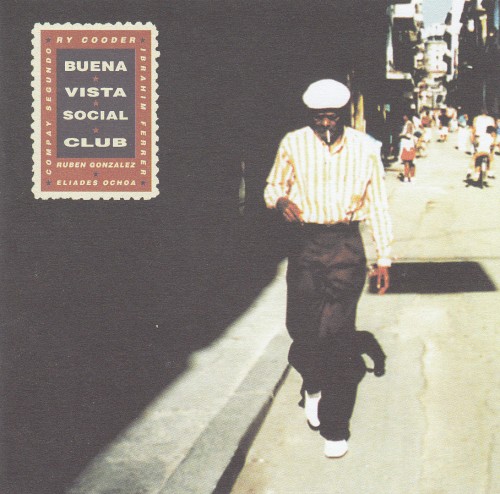

Buena Vista Social Club is a rescue mission disguised as a recording session. When Ry Cooder arrived in Havana in 1996, the musicians he assembled - most of them in their seventies and eighties, many of them long retired from professional music - had been largely forgotten by the world. What they produced in six days at EGREM studios is one of the most joyous and emotionally rich albums in the history of recorded music, a document of talent and passion that time could diminish but never extinguish.
The ensemble playing is extraordinary. These musicians grew up performing together in the clubs and dance halls of pre-revolutionary Havana, and their intuitive understanding of each other's musical personalities creates an interplay that no amount of rehearsal could manufacture. Ibrahim Ferrer's vocals on "Chan Chan" - the album's opening track and eventual signature song - ride the descending guitar figures of Compay Segundo's composition with a grace and ease that makes the whole thing sound inevitable, as though the song could not possibly exist without this particular voice singing it.
Rubén González's piano playing is a revelation. At seventy-seven, with arthritic hands that had not touched a keyboard in years, he plays with a fluency and joy that defies belief. His solo on "Pueblo Nuevo" is a cascade of notes that combines Cuban montuno patterns with jazz-inflected harmonic sophistication, each phrase building on the last with a cumulative logic that is both intellectually satisfying and deeply moving. Cooder has said that González played the entire album without a single mistake.
The production preserves the warmth of the live room while capturing every detail of the performances. The congas and bongos are present and tactile, the bass has a round, woody tone that anchors the rhythmic complexity of the son and bolero forms, and the trumpet of Manuel "Guajiro" Mirabal floats above the ensemble with a clarity that lets you hear every breath and every valve click.
Buena Vista Social Club sold over eight million copies and introduced Cuban music to a global audience that had been largely cut off from it by decades of political isolation. But its real achievement is more intimate than that - it gave a group of elderly musicians the recognition they had always deserved, and it reminded the world that great music is not a young person's game.