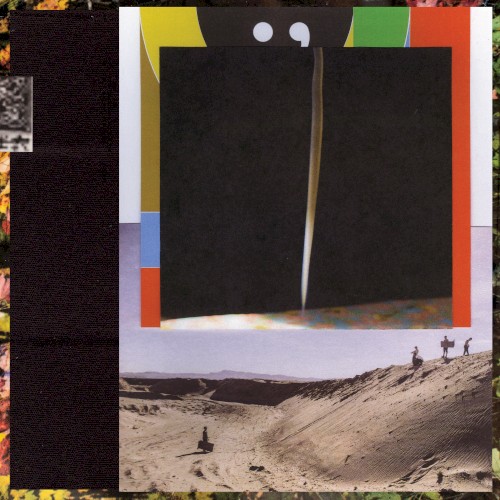

i,i is Bon Iver's most outward-looking record. Where For Emma was solitary, 22, A Million was fractured and interior, and the self-titled album was expansive but still centred on Vernon's voice, i,i gestures toward the collective - multiple voices, multiple perspectives, a communal warmth that is new to Vernon's music. The album was recorded with a large group of collaborators at April Base in Wisconsin, and you can hear the presence of other people in every track.
The production is dense and layered, building on the experimental approach of 22, A Million but softening its more abrasive edges. Voices are still processed and distorted - Vernon's falsetto on "Hey, Ma" is run through enough pitch-shifting to make it sound like a choir of digital ghosts - but the overall effect is warmer and more inviting than its predecessor's glitchy austerity. "Naeem" builds from a simple piano chord into a full-bodied arrangement that includes saxophone, multiple vocals, and a driving rhythm section, the accumulation of sound creating a sense of communal celebration.
The saxophone work by Mike Lewis adds a dimension that is new to Bon Iver's palette. His playing on "Salem" is lyrical and searching, recalling the spiritual saxophone tradition of Pharoah Sanders and Albert Ayler, and his presence gives several tracks an organic warmth that balances the electronic processing elsewhere. The interplay between acoustic and electronic elements throughout the album is its most consistent pleasure.
Vernon's lyrics remain oblique and fragmented, but the emotional register has shifted. Where earlier Bon Iver records were consumed by personal grief and isolation, i,i grapples with questions of community, politics, and collective responsibility. "U (Man Like)" addresses masculinity and empathy with a directness that is unusual for Vernon, while "Faith" explores the possibility of belief in a secular context.
The album's primary weakness is a lack of editorial focus. At thirteen tracks, it contains several songs that are pleasant without being essential - "Jelmore" and "Marion" feel like sketches rather than finished compositions. A tighter ten-track album would have been more impactful. Still, when i,i connects - on "Naeem," "Hey, Ma," and the gorgeous closer "RABi" - it demonstrates that Vernon's artistic journey continues to yield moments of extraordinary beauty.