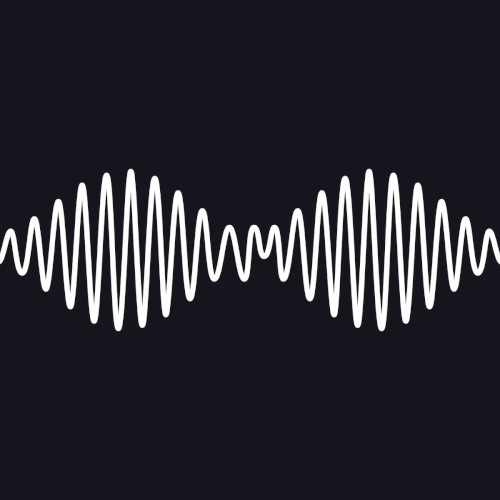
AM is the sound of Arctic Monkeys finally becoming the band they always seemed destined to be. Gone are the breathless, wordy narratives of their debut. Gone is the desert-rock experimentation of Humbug. In their place is a sleek, swaggering rock record built on a foundation of hip-hop drum loops, Black Sabbath riffs, and falsetto harmonies that owe more to R&B than to anything happening in British guitar music.
The production is immaculate. Josh Homme's fingerprints from the Humbug sessions are still visible, but producer James Ford has smoothed the edges into something that gleams like polished chrome. The guitar tone Alex Turner and Jamie Cook achieve throughout - that crunchy, mid-heavy crunch on "R U Mine?" and "Arabella" - sits in a sweet spot between Queens of the Stone Age heaviness and vintage Motown clarity. When the riff from "Do I Wanna Know?" drops, with its descending chromatic figure doubled by the bass, it is one of the most physically satisfying sounds in modern rock.
Turner's lyrical persona has matured considerably. He has traded the observational wit of the early records for something more interior and more vulnerable. "No. 1 Party Anthem" finds him crooning over a slow waltz, his voice dripping with the kind of weary romanticism that would not sound out of place on a Scott Walker record. "Knee Socks" builds its verses on a falsetto so delicate it sounds like it might shatter at any moment, before the chorus crashes in with a riff that could fill stadiums.
The rhythm section work is quietly revolutionary. Matt Helders has always been one of the most technically gifted drummers in indie rock, but here he shows remarkable restraint, often anchoring songs with hip-hop-influenced patterns rather than the frenetic fills of earlier records. Nick O'Malley's bass lines provide the melodic counterpoint that gives tracks like "Why'd You Only Call Me When You're High?" their nocturnal momentum.
If there is a criticism, it is that the album's second half loses some steam. "Mad Sounds" and "I Want It All" are pleasant enough but lack the kinetic energy of the record's first half. Still, when a band reinvents itself this convincingly, minor inconsistencies are easily forgiven. AM is a statement of intent from a band that refuses to stand still.